

The global compression therapy market is projected to reach $4.6 billion by 2028, driven by rising awareness of circulatory health across athletics, healthcare, and corporate wellness (Grand View Research). Custom compression socks sit at the intersection of this growth, combining clinically validated graduated pressure technology with full-color brand visibility that lasts 5–6 years.
Unlike generic promotional items that end up in a drawer within a week, custom compression socks are functional wellness gear people actually wear repeatedly, for years. Whether you're outfitting a hospital nursing staff, equipping a marathon team, rewarding employees in a corporate wellness program, or creating premium donor gifts for a nonprofit, branded compression socks deliver measurable health benefits alongside thousands of logo impressions per pair.
That dual value (genuine utility plus lasting brand visibility) is why compression socks have become one of the fastest-growing categories in the custom promotional products industry. They aren't a novelty item. They're a performance product that recipients appreciate, use regularly, and associate with the organization that gave it to them.
This comprehensive guide covers everything you need to know to order custom compression socks with confidence: how compression technology works, which mmHg level to choose, the medical science behind the benefits, use cases by industry, knitted vs. printed construction, design best practices, quantity-based pricing tiers, and the step-by-step ordering process.

What Are Custom Compression Socks?
Custom compression socks are graduated-pressure hosiery engineered to apply the greatest compression at the ankle, gradually decreasing up the calf. This gradient design works with your body's circulatory system to push deoxygenated blood back toward the heart, reducing pooling and swelling in the lower extremities.
According to the Cleveland Clinic, graduated compression stockings are the most commonly prescribed type, recommended for both medical and preventive use. They improve venous blood flow, reduce the risk of blood clots, and decrease leg fatigue, especially for people who stand or sit for extended periods.
What makes custom compression socks different from pharmacy-shelf varieties is the addition of full-color branding woven directly into the knit structure. The therapeutic function is identical. The same graduated pressure zones, the same elastic fiber technology, the same medical-grade performance, but the exterior features your organization's logo, colors, and design. This makes custom compression socks a unique category: a medical-grade product that doubles as a branding tool.
How compression technology works:
The sock's elastic fibers create calibrated pressure measured in millimeters of mercury (mmHg). At the ankle, pressure is highest (typically 15–30 mmHg), then reduces by 70% by the time it reaches the calf. This pressure gradient acts as a mechanical pump, counteracting gravity's effect on blood flow and helping push deoxygenated blood and lymphatic fluid back up toward the heart.
The science behind this is straightforward: when you stand or sit for long periods, gravity works against your circulatory system. Blood and fluid collect in the lower legs, leading to swelling, heaviness, and over time, potentially serious conditions like varicose veins or deep vein thrombosis (DVT). Graduated compression reverses this process by applying external mechanical pressure that supports your veins and keeps blood moving efficiently. It's the same principle used in medical-grade compression therapy, just built into a wearable, brandable product.
| Compression Level | Pressure Range | Best For |
|---|---|---|
| Light | 8–15 mmHg | Daily wear, travel, mild fatigue, promotional giveaways |
| Moderate | 15–20 mmHg | Athletic recovery, standing jobs, frequent flyers |
| Firm | 20–30 mmHg | Medical use, significant swelling, post-surgical recovery |
How to Choose the Right Compression Level
Selecting the right mmHg level depends on the intended activity, the wearer's health profile, and whether the socks are for general wellness or targeted medical recovery. This is one of the most common questions we receive from organizations ordering custom compression socks for the first time, and getting it right matters. Too little compression and you lose the therapeutic benefit; too much and the socks can be uncomfortable for people who don't need firm pressure.
Here's a practical decision guide organized by activity and use case:
| Activity / Scenario | Recommended Level | Why |
|---|---|---|
| Promotional giveaways & daily wear | 8–15 mmHg | Comfortable enough for all-day wear; no medical consultation needed |
| Running, cycling, and endurance sports | 15–20 mmHg | Supports muscle recovery and reduces vibration during impact activities |
| Nursing, retail, and standing occupations | 15–20 mmHg | Counteracts blood pooling from 8–12 hour shifts on feet |
| Air travel (flights over 4 hours) | 15–20 mmHg | Reduces DVT risk associated with prolonged seated immobility |
| Post-surgical recovery & medical use | 20–30 mmHg | Stronger graduated pressure for edema, varicose veins, or DVT prevention |
When to consult a doctor: Compression levels of 20 mmHg and above are considered medical-grade. If the socks are intended for post-surgical patients, people with diagnosed venous insufficiency, or anyone with peripheral arterial disease, a healthcare provider should be consulted before use. The Mayo Clinic recommends professional fitting for firm-level compression to ensure proper therapeutic benefit without restricting circulation.
3 Key Performance Benefits of Compression Socks
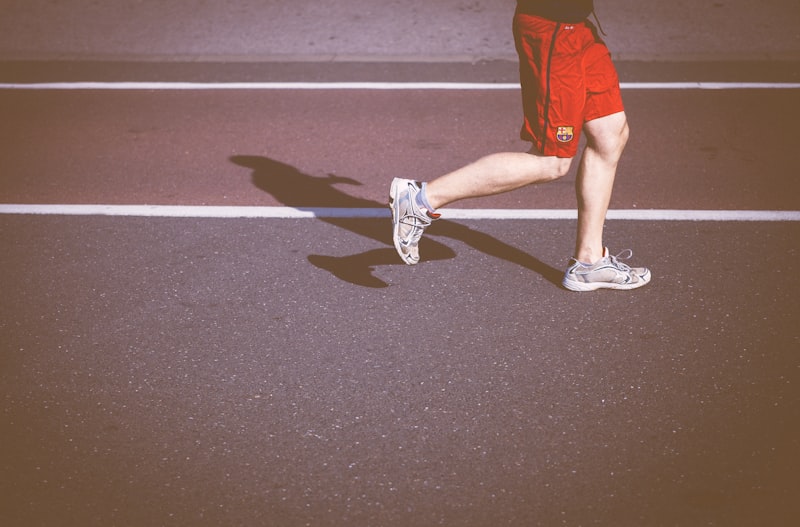
1. Boosted Circulation & Recovery
Graduated compression accelerates venous return, the process of pushing deoxygenated blood from the extremities back to the heart. A systematic review published in the Journal of Sports Sciences found that wearing compression garments after exercise significantly reduced markers of muscle damage and perceived muscle soreness compared to passive recovery alone.
For athletes, this translates to faster recovery between training sessions, getting back to peak performance sooner with less delayed-onset muscle soreness (DOMS). For healthcare workers, it means less leg heaviness and swelling at the end of a 12-hour shift. For travelers, it reduces ankle puffiness and that deep fatigue that follows a long-haul flight. And for desk-bound workers, it counteracts the circulatory slowdown that comes from sitting for 8+ hours in the same position.
Who benefits:
- Athletes recovering between training sessions or competitions
- Healthcare workers on 10–12 hour shifts
- Long-haul travelers sitting for 4+ hours
- Office workers at desks for 8+ hours per day
2. Muscle Stabilization
Compression applies consistent external pressure to the calf muscles, reducing muscle oscillation, the micro-vibrations that occur with every foot strike during running, every jump in basketball, and every box jump in CrossFit. These oscillations may seem minor, but over the course of a long run or a multi-hour training session, they accumulate into significant muscle fatigue. Compression socks act like an external support structure that reduces this vibration, which in turn decreases perceived fatigue and may reduce the risk of soft-tissue injuries during high-impact, repetitive-motion exercises.
Who benefits:
- Runners logging high weekly mileage
- CrossFit and HIIT athletes performing plyometric movements
- Team sport athletes (soccer, basketball, volleyball)
3. Anatomical Alignment
Quality compression socks feature anatomically shaped panels that support the arch, stabilize the Achilles tendon, and promote proper foot-to-ankle alignment. Unlike standard socks that provide a uniform, passive fit, compression socks are engineered with targeted support zones that follow the natural contours of the foot and lower leg. This structural support is especially valuable during activities that stress the lower leg's musculoskeletal system, from running on pavement to standing on concrete hospital floors for an entire shift.
Who benefits:
- Runners prone to shin splints or plantar fasciitis
- Workers who stand on hard surfaces (concrete, tile)
- Patients recovering from ankle or lower-leg injuries
Compression Socks vs. Regular Socks: What's the Difference?
If you're deciding between standard athletic socks and compression socks for your next branded order, this comparison highlights the key differences in construction, performance, and value:
| Feature | Regular Athletic Socks | Compression Socks |
|---|---|---|
| Construction | Uniform fabric tension throughout | Graduated pressure zones (highest at ankle, decreasing up calf) |
| Pressure | No measurable compression | 8–30 mmHg calibrated pressure |
| Blood flow benefit | None; passive moisture management only | Active venous return support, reduces swelling and pooling |
| Muscle support | Minimal; cushioning only | Reduces muscle oscillation and micro-vibrations during activity |
| Lifespan | 6–12 months with regular use | 5–6 years (knitted construction) |
| Best for | Casual wear, gym sessions | Recovery, standing occupations, travel, medical use, corporate wellness |
| Perceived value as a gift | Moderate; seen as a commodity | High; seen as a premium wellness product |
For branded merchandise, compression socks deliver a significantly higher perceived value than regular athletic socks. Recipients immediately recognize them as a premium wellness product rather than a commodity giveaway, which translates to higher keep rates, more frequent use, and dramatically more logo impressions over the product's multi-year lifespan. In promotional products, perceived value directly correlates with how often an item is used, and compression socks benefit from being both useful and distinctive. They're the kind of gift that makes someone say, "Where did you get those?" which creates organic brand conversations that no amount of advertising spend can buy.

Top Use Cases for Custom Compression Socks
Athletic Teams & Fitness Organizations
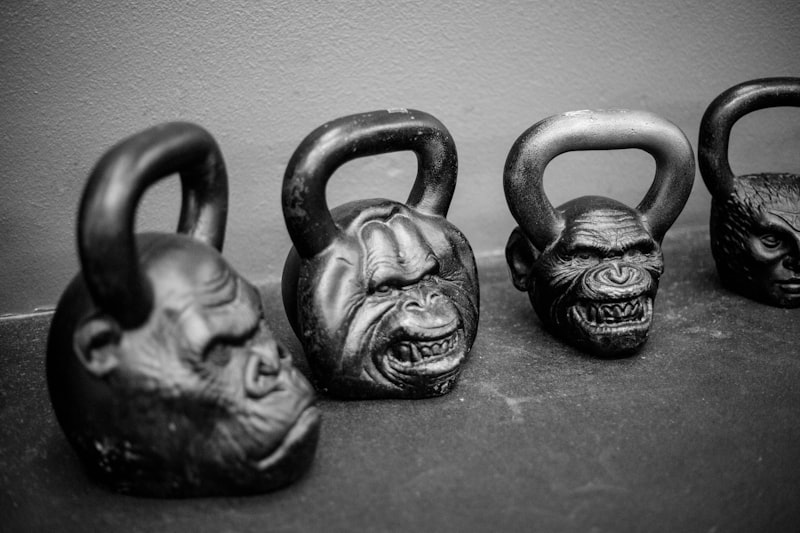
From marathon running clubs to CrossFit boxes, compression socks are standard recovery gear for serious athletes. Research shows that wearing compression garments post-exercise can reduce perceived muscle soreness by 15–20% and accelerate the clearance of metabolic waste products like lactate from working muscles.
Custom branded compression socks allow teams to unify their recovery protocol while reinforcing team identity. They're increasingly popular as race-day swag for event organizers, participants value functional gear far more than another cotton t-shirt they'll never wear. Marathons, triathlons, and obstacle course races that include compression socks in their finisher kits report higher participant satisfaction scores and stronger social media engagement, as runners photograph and share the high-quality branded gear.
For gym owners and fitness studio operators, custom compression socks serve as premium merchandise that members actually want to buy and wear. Unlike generic gym T-shirts, compression socks communicate that your facility takes performance seriously, and they provide a practical benefit that keeps your brand on members' legs during every workout and recovery session.
Applications:
- Team-issued recovery gear for collegiate and club sports
- Race day finisher gifts for marathons, triathlons, and cycling events
- Gym merchandise for CrossFit boxes and boutique fitness studios
- Sponsor giveaways at sporting events and expos

Medical & Healthcare Professionals
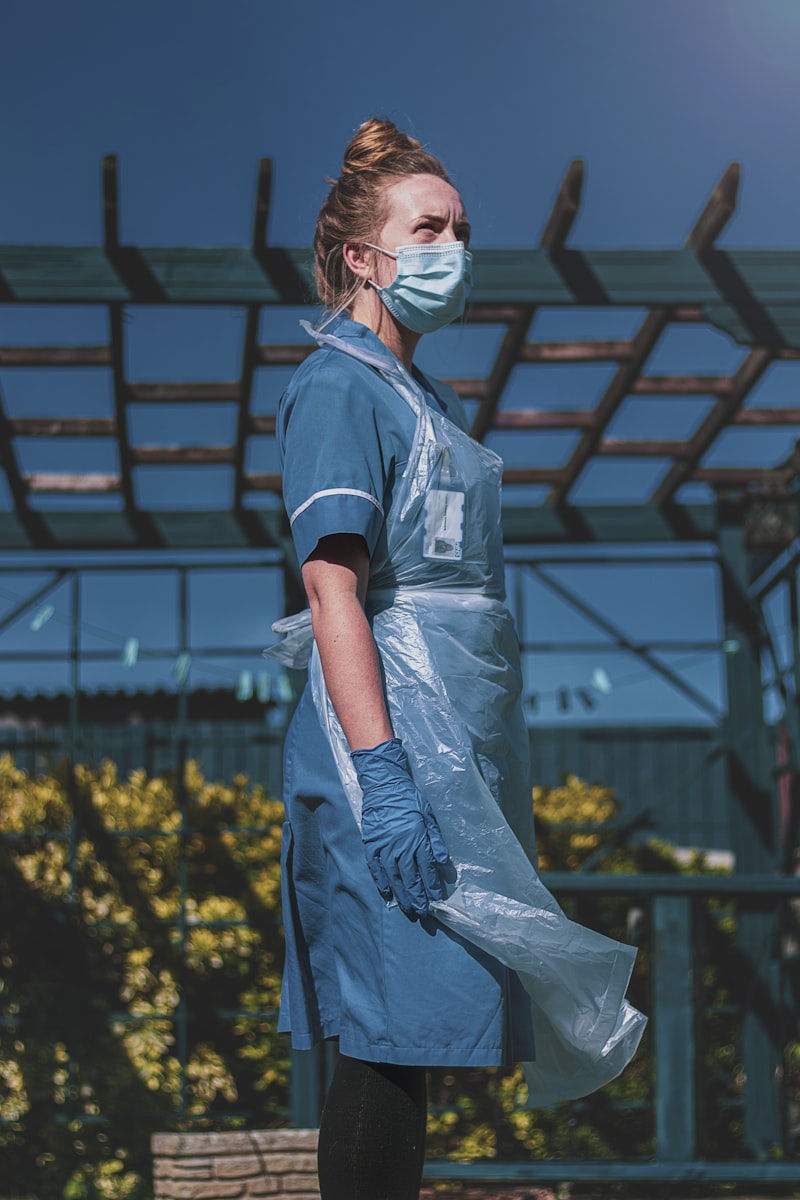
Nurses, surgeons, and allied health professionals are among the most common compression sock users, and for good reason. According to a study cited by the Bureau of Labor Statistics, registered nurses spend the vast majority of their shifts on their feet, with some estimates suggesting nurses walk 4–5 miles during a typical 12-hour shift.
This prolonged standing and walking on hard hospital floors leads to blood pooling in the lower legs, causing fatigue, swelling, and increased risk of varicose veins over time. Compression socks at 15–20 mmHg counteract these effects by maintaining healthy venous return throughout the shift.
Hospitals and healthcare systems are increasingly ordering branded compression socks as staff appreciation gifts and onboarding welcome kits. They demonstrate genuine care for employee wellness while delivering practical daily value that employees use every single shift. In an industry with notoriously high turnover rates, meaningful wellness gifts like compression socks contribute to a culture of appreciation that helps retain staff. Unlike a gift card that's spent and forgotten, branded compression socks are a daily reminder that the organization values its people.
Applications:
- Nurse appreciation week and hospital staff recognition gifts
- New-hire onboarding kits for healthcare systems
- Medical conference swag bags and pharmaceutical rep giveaways
- Branded wellness gear for home health and hospice workers
Corporate Wellness & Business Travel

Corporate wellness programs are a $60+ billion global industry, and compression socks are emerging as a popular perk, especially for companies with frequent business travelers. The World Health Organization advises that flights lasting more than 4 hours increase the risk of venous thromboembolism (VTE), including deep vein thrombosis (DVT). Compression socks are one of the primary preventive measures recommended.
For desk-bound employees, sitting for 8+ hours daily slows blood circulation and can lead to leg discomfort, ankle swelling, and long-term venous issues. Branded compression socks positioned as a wellness benefit show employees that the company invests in their actual health not just another branded pen that ends up lost in a desk drawer. This is especially impactful during corporate wellness months, employee appreciation events, and company retreats where the gift reinforces the company's commitment to well-being.
For teams that travel frequently for client meetings, conferences, or site visits, compression socks packaged in a branded travel kit make a thoughtful and functional gift. Pair them with a sleep mask and neck pillow for a complete travel wellness package that employees will genuinely use and appreciate.
Applications:
- Executive travel kits for frequent flyers
- Corporate wellness program giveaways
- Trade show and conference premium gifts
- Employee appreciation and holiday gift boxes

Nonprofit Health Campaigns
Health-focused nonprofits, disease awareness organizations, and fundraising events use custom compression socks as both functional merchandise and powerful awareness tools. They're especially relevant for organizations focused on cardiovascular health, diabetes awareness, cancer survivorship, and veterans' health, because the product itself aligns with the mission. A heart disease awareness foundation distributing branded compression socks isn't just promoting their name; they're literally putting circulatory health technology on supporters' legs.
For charity walks, 5K runs, and fundraising events, compression socks are a meaningful upgrade from the standard cotton event T-shirt. They cost more per unit but deliver dramatically higher perceived value, which translates to stronger fundraising engagement and more willing repeat donors. Supporters are far more likely to wear and talk about functional wellness gear than yet another event shirt they'll sleep in once and forget.
Applications:
- Charity walk/run participant gifts
- Donor appreciation gifts for health-focused nonprofits
- DVT and circulatory health awareness campaigns
- Veterans' health and rehabilitation program gear
Knitted vs. Printed: The Quality Difference
Not all custom compression socks are created equal and this is where many first-time buyers make a costly mistake. The manufacturing method makes a critical difference in both the therapeutic performance and the lifespan of the product. There are two primary methods used in the industry: knitted (intarsia/jacquard) and printed (dye-sublimation). Understanding the difference is essential to getting real value from your investment, especially when you're ordering hundreds or thousands of pairs for a team, company, or event.
The Problem with Printed Compression Socks
Printed compression socks start as a plain white sock and run through a heat-transfer sublimation process. While this allows photorealistic, full-color designs, it comes with significant trade-offs:
Issues with printed construction:
- Compromised compression: The sublimation process requires polyester-heavy fabric, which can reduce the effectiveness of graduated pressure zones
- Shorter lifespan: Colors fade after 15–25 washes; elastic fibers degrade faster due to heat exposure during printing
- Less breathable: Polyester-heavy blends trap heat and moisture compared to cotton-poly knit blends
- Cheaper feel: Recipients often perceive printed socks as lower quality, reducing their effectiveness as a premium brand touchpoint
Why Knitted Construction Wins
Knitted compression socks are constructed on industrial knitting machines that interlace colored yarns directly into the fabric structure. The design is literally part of the sock, not applied on top of it.
Advantages of knitted compression socks:
- True graduated compression: Elastic fibers are woven into specific zones, creating precise pressure gradients that hold up over years of wear
- 5–6 year lifespan: Knitted designs don't fade or crack because the color is structural, not surface-applied
- Premium cotton-polyester blends: Breathable, moisture-wicking materials that maintain therapeutic compression
- Higher perceived value: Recipients immediately feel the quality difference, reinforcing a positive brand association

Designing Custom Compression Socks
The design process for custom compression socks balances brand visibility with the technical constraints of knitted construction. The good news: knitting technology has advanced dramatically, and modern machines can reproduce surprisingly detailed designs with sharp color accuracy. But there are still a few guidelines that will help your design look its best. Here's what to keep in mind:
Logo Simplicity is Key
Knitted construction reproduces designs through interlacing colored yarns, which means highly detailed logos (fine gradients, tiny text, complex photo-realistic imagery) should be simplified. Bold, clean logos with strong contrast reproduce best on compression socks.
Design guidelines:
- Use vector-format logos (.AI, .EPS, .SVG) for the sharpest results
- Limit to 6–8 yarn colors per sock for optimal knit quality
- Minimum text height of ~8mm for legibility in knit construction
- High-contrast color combinations (dark logo on light background or vice versa)
Patterns & Secondary Elements
Beyond the logo, compression socks offer ample canvas for brand expression through patterns, color blocking, and secondary design elements.
Pattern approaches:
- Repeating brand pattern: Small logo or icon repeated across the sock body
- Color blocking: Brand colors divided into clean sections (calf, heel, toe)
- Stripe integration: Brand colors in horizontal or diagonal stripes with logo on the calf
- Sport-specific graphics: Activity icons, team mascots, or event-themed designs
Pantone Color Matching
Every order includes exact Pantone color matching to ensure your compression socks perfectly match your brand's official colors. Our knitting partners maintain yarn libraries with thousands of color options, and we source custom dye lots for exact matches when needed. This level of color precision is critical for corporate clients, universities, hospitals, and nonprofits where brand consistency across merchandise matters. Whether your Pantone is 186 C (classic red) or a specific metallic gold, we match it.
How to Order Custom Compression Socks
Step 1: Submit Your Brand Assets
Send us your logo files (vector preferred), brand colors (Pantone codes if available), and any design inspiration or requirements. You can use our free design templates or let our in-house design team create something from scratch, start your order here.
Step 2: Design and Refinement
Our design team creates a full-color digital mockup within 1–2 business days. You'll see exactly how your branding will appear on the sock before production begins. Unlimited revisions are included, we iterate until you're completely satisfied.
Step 3: Packaging and Production
Once the design is approved, your custom compression socks enter production with a turnaround as fast as 7 days from proof approval for rush orders. Standard production is 2–3 weeks, depending on order size and complexity. For large enterprise orders (1,000+ pairs), we recommend allowing 3–4 weeks for production plus shipping. All orders include free standard shipping within the United States.
Select packaging options:
- Individual poly bags (standard, included)
- Custom branded belly bands
- Retail-ready hang tags
- Custom gift boxes for premium presentations

Pricing & ROI: The Economics of Longevity
Quantity-Based Pricing
Custom compression sock pricing scales with order volume. Larger orders reduce per-unit cost significantly, making them increasingly cost-effective for corporate programs, events, and ongoing staff appreciation:
| Order Quantity | Price Per Pair | Savings vs. Base |
|---|---|---|
| 100–299 pairs | $16.50 | Base price |
| 300–499 pairs | $13.35 | 19% savings |
| 500–799 pairs | $11.65 | 29% savings |
| 800–1,199 pairs | $9.95 | 40% savings |
| 1,200+ pairs | $8.95 | 46% savings |
Pricing includes full-color custom design, Pantone matching, and standard packaging. Request a quote for orders over 1,200 pairs for additional volume discounts.
Return on Investment
The true value of custom compression socks becomes clear when you calculate the cost per impression. This is the metric that matters most for any promotional product investment. Unlike disposable promotional items that generate a handful of impressions before they're lost, broken, or thrown away, compression socks last years and are worn frequently. That means each pair generates thousands of brand impressions over its lifetime, driving the cost per impression down to near zero.
Cost efficiency calculation:
Using mid-tier pricing (500 pairs at $11.65 each):
- Average lifespan: 5–6 years
- Wear frequency (conservative): 1–2 times per week
- Total wears over lifespan: 260–520 times
- Cost per wear: $0.02–$0.04
- Cost per brand impression: Under $0.05 (each wear generates multiple impressions)
The Longevity Advantage
Compare that to other common promotional items:
| Promotional Item | Typical Lifespan | Impression Frequency |
|---|---|---|
| Branded pens | 3–6 months | Sporadic |
| T-shirts | 1–2 years | Occasional |
| Tote bags | 1–3 years | Weekly |
| Custom compression socks | 5–6 years | Weekly |
Frequently Asked Questions
What is the difference between compression socks and regular athletic socks?
Regular athletic socks provide cushioning and moisture management but apply no measurable pressure. Compression socks use graduated pressure zones (measured in mmHg) that are tightest at the ankle and gradually decrease up the calf. This gradient actively pushes blood back toward the heart, improving circulation, reducing swelling, and supporting muscle recovery. See our comparison table above for a detailed breakdown.
Who should wear compression socks?
Compression socks benefit a wide range of people including athletes (runners, cyclists, CrossFit), healthcare workers (nurses, surgeons, dental professionals), frequent travelers on flights over 4 hours, people who stand for long periods (retail, hospitality, manufacturing), office workers who sit for 8+ hours, and anyone experiencing leg fatigue or mild swelling. For medical conditions like varicose veins or post-surgical recovery, consult a healthcare provider for the appropriate compression level.
What compression level should I choose for custom socks?
For promotional and daily wear, 8–15 mmHg is comfortable for everyone. For athletic recovery and standing occupations, 15–20 mmHg provides meaningful therapeutic benefit without requiring a prescription. For medical use (edema, varicose veins, DVT prevention), 20–30 mmHg is recommended, but should be prescribed or approved by a healthcare provider. Most corporate and event orders choose 15–20 mmHg for the best balance of comfort and performance.
Can I see a design before ordering?
Yes. Every order includes a free full-color digital mockup created by our design team. You'll see exactly how your logo, colors, and patterns will appear on the finished sock before production begins. We offer unlimited design revisions until you're completely satisfied. There's no cost and no obligation until you approve the proof.
What materials are used in custom compression socks?
Our custom compression socks use premium cotton-polyester blends with high-strength elastic fibers (typically spandex/elastane). The cotton provides breathability and comfort, the polyester adds durability and color retention, and the elastic fibers create the calibrated compression zones. This knitted construction produces socks that maintain their therapeutic compression and appearance through hundreds of wash cycles.
How do I care for custom compression socks?
Wash inside out on a gentle cycle with cool or warm water. Tumble dry on low heat or air dry. Avoid bleach and fabric softener, as both can break down the elastic fibers that create the compression. With proper care, knitted compression socks maintain their graduated pressure and color vibrancy for 5–6 years.
What is the turnaround time for custom compression socks?
Rush orders can be completed in as fast as 7 days from proof approval. Standard production is 2–3 weeks. Lead times may vary based on order quantity and complexity. We recommend placing orders 4–6 weeks before your event or distribution date to allow time for design, sampling (if requested), and shipping.
Are custom compression socks good for nurses?
Absolutely. Nurses are one of the most popular audiences for custom compression socks. With 12-hour shifts that involve 4–5 miles of walking on hard hospital floors, nurses benefit enormously from the circulatory support and fatigue reduction that 15–20 mmHg compression provides. Hospitals and healthcare systems frequently order branded compression socks for Nurse Appreciation Week, staff wellness programs, and new-hire onboarding kits.
Can you put a logo on compression socks?
Yes, that's exactly what custom compression socks are for. Your logo is knitted directly into the fabric using colored yarns, not printed or heat-transferred on top. This means the design is literally woven into the sock's structure, which is why it lasts 5–6 years without fading, cracking, or peeling. We can place logos on the calf, ankle, sole, or multiple locations depending on your design preference.
How long do custom compression socks last?
Knitted custom compression socks last 5–6 years with regular use, which is dramatically longer than printed alternatives (which typically degrade after 6–12 months). The knitted construction means the design and the compression fibers are structurally integrated, so they maintain both their therapeutic performance and visual appearance through hundreds of wash and wear cycles.
The Bottom Line
Custom compression socks are one of the most effective branded wellness products available today. They combine clinically supported health benefits, improved circulation, reduced muscle fatigue, lower DVT risk, and faster recovery, with years of high-frequency brand visibility that no pen, t-shirt, or tote bag can match.
The numbers speak for themselves: a pair of knitted compression socks lasts 5–6 years, gets worn 1–2 times per week, and generates a cost per impression under $0.05. Compare that to a branded pen that's lost in a month or a T-shirt that's relegated to pajama duty within a year. From a pure ROI standpoint, compression socks are among the highest-return promotional products in any category.
Whether you're a corporate wellness manager looking to support employee health, a hospital administrator recognizing your nursing staff, a race director creating premium finisher kits, or a nonprofit organizer building donor loyalty, custom compression socks deliver measurable value to the people who receive them while keeping your brand front and center for half a decade.
Ready to get started? Request a free design mockup and our in-house design team will create a custom compression sock proof featuring your logo and brand colors within 1–2 business days, with unlimited revisions and absolutely no obligation to order. See your brand on compression socks before you commit to a single pair.
Explore more custom sock guides:
- The Complete Guide to Custom Socks, our pillar guide covering every sock style
- Custom Athletic Socks Guide, performance socks for sports and fitness
- Custom Dress Socks Guide, branded socks for corporate and formal settings
- Custom Quarter Socks Guide, low-profile socks for casual and athletic wear
- Custom Pilates Grip Socks Guide, specialty grip socks for studio fitness
- Browse all custom socks
Company Sock Programs (Wellness and Beyond)
Custom compression socks pair well with corporate wellness initiatives and benefit-rich employee programs, but the broader Makers Garments company sock cluster covers a wide range of program types. The resources below extend the use cases past compression.
- Company Socks for Employees, wellness program incentives and team gift programs.
- Company Socks: The Complete Guide, the pillar overview across all program types.
- Company Socks: The Best for Onboarding Packages, new hire welcome kit programs.
- How to Order Custom Company Socks, pricing, design files, and the ordering process.
- Company Socks for Holiday Gifts, Q4 seasonal program timing.
- Company Socks for Trade Shows, healthcare and wellness industry event programs.
- Company Socks for Client Gifts, compression socks as gifts for travel-heavy executive clients.


